Need home stamped concrete in Lake Stevens?
Planning a new driveway or patio? Send a request and Partilla Concrete will point you to a local provider in our network. Or Request a callback to ask about provider availability.
No obligation
Request an estimate today
Planning new stamped concrete can feel like a lot. You want it to look nice, hold up in a long wet season, and stay within your budget. That worry is normal, and a few clear facts can ease it. Partilla Concrete is a referral service for homeowners in the Lake Stevens area. It does not pour concrete itself.
Instead, Partilla Concrete connects you with an independent local provider who installs stamped concrete patios, walkways and other flatwork. This page helps you notice early signs that a surface is wearing out, learn how stamping works, and know what to ask. Then you can request an estimate and talk through your ideas, with no obligation.
Maybe your plain gray slab looks tired. Maybe you are planning a new patio and want the look of stone without the fuss. That is a good place to be. Stamped concrete is poured, colored and pressed with patterns, so one solid surface can look like many materials. Let's go through it slowly, in plain words.
Before you plan new work, look at what you have now. Spotting problems early helps you pick the right time and the right size of project. Small patches and concrete driveway repair are a different job from a new pour, and this page is about new work.
Hairline cracks are common. Wide cracks, or ones that grow after a rainy month, may mean the ground under the slab is moving. Snap a photo with a coin beside the crack. Check again in a few weeks.
After steady rain, look for puddles that sit for hours. Standing water soaks the base and can wash soil away. A new surface can be poured with a gentle slope so rain runs off.
Moss and dark damp spots make concrete slippery. Shade and wet weather feed them. Scrubbing helps for a while, but if moss keeps coming back, the surface may be holding too much water.
A section that sits lower than its neighbor, or tilts toward the house, deserves a closer look. Water near a foundation can cause bigger trouble. Foundation repair experts handle structural problems. A concrete provider handles the new flatwork.
Stamping looks like magic, but the steps are simple. A local provider does each one, and the order matters.
The old surface is removed if needed. The ground is leveled and packed, then a gravel base goes down. Wooden forms mark the edges. Good prep is what keeps cracks away in damp soil.
Fresh concrete is poured and smoothed. Color is mixed in or added on top. A release powder keeps the tools from sticking. Then mats are pressed in, and they leave the pattern behind.
After curing, the surface is cleaned and sealed. Sealer deepens the color and helps block water and stains. Joints are cut so the slab can crack along neat lines, not random ones.
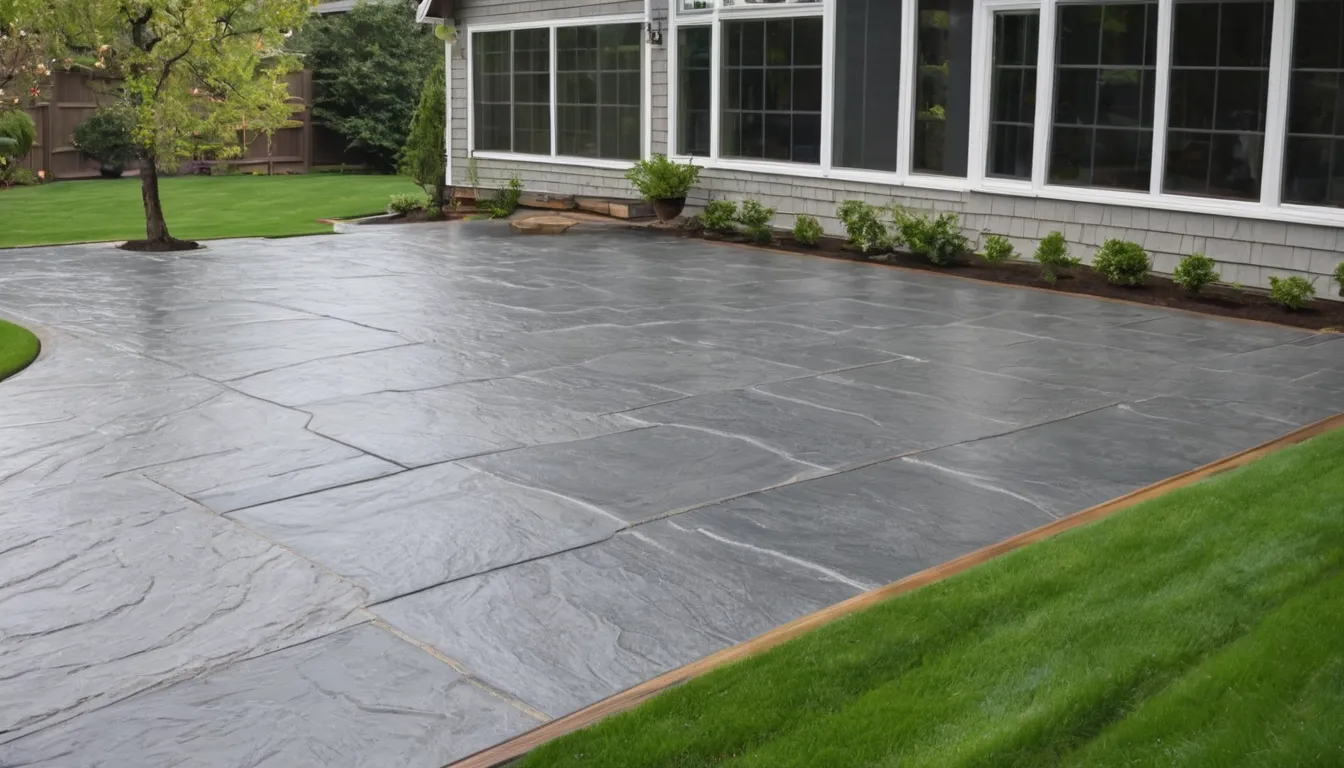
Popular patterns include slate, cobblestone, brick herringbone and wood plank. Soft grays, warm tans and charcoal pair nicely with wood-frame homes and craftsman trim. In shady, mossy yards, a lightly textured finish in a medium tone hides damp marks better than very light or very dark colors. Ask to see samples in daylight and in shade.
Stamped concrete suits patios, walkways, pool decks, porch landings and entry courts. Many people choose it for stamped concrete patios because it feels solid underfoot. On sloped yards, a provider can shape the slab to guide rain away. A textured finish also adds grip when the surface is wet.
Pavers are single pieces set in sand. They can shift over time, and moss likes to grow in the gaps. Stamped concrete is one slab, so there are fewer seams where weeds and damp can hide. Pavers can be lifted and fixed piece by piece, which some people like. Stamped concrete may crack in time, though cut joints and sealer help. Neither choice is wrong. Pick by yard, budget and taste.
Many patios take a few days of work, plus time to cure. Rain can pause a pour, and a wet season may stretch the schedule. The surface is often walkable after a few days, but wait longer before setting heavy furniture on it. Ask the provider for a timeline in writing.
Sweep often and rinse off leaves. Use mild soap and a soft brush on moss. Skip harsh de-icers and strong acids. Reseal every couple of years, or when water stops beading on the surface. Keep gutters clear so downspouts do not dump onto the slab. Spot it early: a dull patch usually means the sealer is thinning.
Ask a few providers for written quotes. Look at photos of past stamped work. Ask about base prep, drainage, joint spacing and sealing. Ask what happens if cracks show up later. Confirm they hold any license and insurance your area requires. Partilla Concrete does not do the work. It connects you with independent providers in our network.
When you are ready, one clear step is enough. Request a callback to check provider availability, or send the request form. Share your yard size and the look you want.
Slate, brick, cobblestone or wood plank looks, picked to match your home and yard.
Talk through soft grays, warm tans and textured finishes that hold up in damp weather.
A provider plans the gravel base and slope so rain runs off your new surface.
Sealer and cut joints help protect color, repel water and guide where cracks may form.
Prices depend on size, pattern, color, site prep and local rates. These are typical U.S. ranges only. Always get a written quote from a provider before you decide.
| Item | Typical range | Notes |
|---|---|---|
| Stamped patio, per sq ft | $8 – $18 | Pattern detail and color raise the price |
| Small patio (about 150 sq ft) | $1,500 – $3,500 | Simple shapes cost less than curves |
| Added color, per sq ft | $0.50 – $2 | Mixed-in or surface color options |
| Sealing, per sq ft | $1 – $3 | Reseal every couple of years |
| Old slab removal, per sq ft | $2 – $6 | Depends on thickness and access |
| Base prep and grading, per sq ft | $1 – $4 | Sloped or soft ground costs more |
Tell us the size of your space, the look you want and any worries, like pooling water.
Partilla Concrete connects you with an independent provider in your area who does stamped work.
Compare pattern, color, base prep and sealing details so the quote is easy to understand.
Agree on dates, allow for rain delays, and ask how to care for the surface.
Get simple explanations of stamped concrete without pressure or confusing terms.
Independent providers in your area know wet-season soil and rain.
Send one form instead of searching and explaining your project many times.
Ask questions and compare written quotes before you choose anything.
Planning a new driveway or patio? Send a request and Partilla Concrete will point you to a local provider in our network. Or Request a callback to ask about provider availability.
Stamped concrete often runs about $8 to $18 per square foot in the U.S., depending on pattern, color, site prep and local rates. Prices vary by job, so ask each provider for a written quote.
With good base prep, drainage and regular sealing, stamped concrete can last many years, even through a long rainy season. Moss and standing water wear it faster, so keep it clean and reseal when water stops beading.
Sometimes a thin overlay works if the old slab is solid and level. Badly cracked or sunken concrete usually needs to come out first. A provider can look at it and tell you which route fits.
Planning a new driveway or patio? Send a request and Partilla Concrete will point you to a local provider in our network. Or Request a callback to ask about provider availability.
No obligation