Need concrete patios in Lake Stevens?
Planning a new driveway or patio? Send a request and Partilla Concrete will point you to a local provider in our network. Or Request a callback to ask about provider availability.
No obligation
Request an estimate for your patio
Planning a patio can feel like a lot. Where should it go, how big should it be, and who should pour it? Take a breath. You only need one clear step at a time, and plain answers help.
Partilla Concrete is a referral service for homeowners in the Lake Stevens area. It helps you spot early signs on an old slab, like cracks, pooling water and slick moss. Then it connects you with an independent provider in our network who pours patios and other concrete flatwork. Partilla Concrete does not do the work itself. You get a simple way to request an estimate, with no obligation.
A patio is a big project, and it is normal to feel unsure. Where does it go? How big? Who pours it? Take a breath. You only need one clear step at a time.
This page covers the signs that say it is time, what a pour involves, and how to choose a provider. Partilla Concrete is a referral service. A local provider in our network does the work, not Partilla Concrete.
Small signs show up first. Notice them now and you can plan calmly instead of in a rush.
One hairline crack is not an emergency. Several signs together mean it is time to talk to a provider.
During a long wet season, a patio that slopes the wrong way sends rain toward your house. That can keep soil soggy and wood damp near a crawl space. This is the sign most worth acting on.
If you just found a problem, keep it simple.
Then Request a callback to check provider availability, or use the request form.
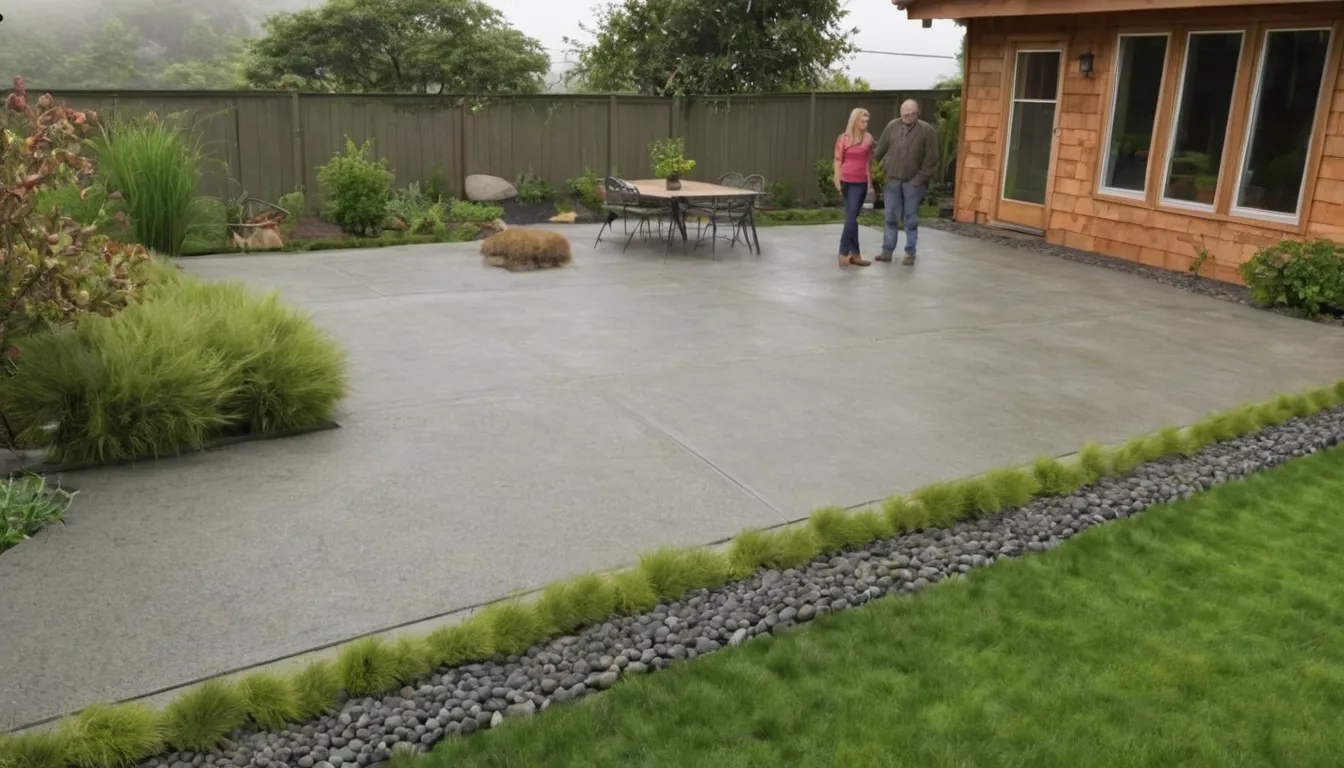
Concrete does not rot, and steady rain does not bother it. With the right slope and surface, water runs off instead of sitting. Wood decks often need more care in damp, mossy conditions. A slab sits low and steady beside wood-frame homes, older craftsman houses and newer townhomes alike.
Moss loves shade and damp. A lightly textured finish gives your shoes grip on rainy days. Ask the provider which finish fits your yard.
Most jobs follow the same path.
The provider marks the shape and clears grass or old material. Then a compacted gravel base goes down. A firm base helps the slab stay put.
Forms hold the shape. Steel bar or mesh goes inside for strength. Then the concrete is poured, leveled and finished. This is concrete flatwork, and timing matters, so providers plan around the forecast.
Control joints are cut so any cracks form in neat lines. Then the slab cures. Keep feet and furniture off until the provider says it is ready.
Think about how you will use it. A small bistro table fits on about 10 by 10 feet. A grill and seating for six may want 12 by 16 feet or more. Leave room to slide chairs back. Mark the shape with a hose or chalk, then look at it for a day or two.
This is the simple, grippy choice. It is plain, practical and often the most budget-friendly.
Stamped concrete patios are pressed with patterns that look like stone, brick or wood plank. Color is added to the mix or brushed on. It costs more than plain concrete, but it can look like a pricier material.
Exposed aggregate shows small stones in the surface and gives good traction. A sealer helps shed water and slow stains. Ask how often it should be renewed.
A patio should slope slightly away from the house. Water should never be pointed at your walls. Ask the provider how they plan to set the slope and where the rain will go.
If you see wide cracks in the foundation, sticking doors or a damp crawl space, pause. Those signs are a job for foundation repair experts, and a patio provider may suggest you have them checked before any pour.
A fair quote can wait a day. Compare two or three. Be careful with anyone who pushes you to sign on the spot.
Keep heavy loads off until the provider says the slab has cured. Rinse away dirt and leaves so damp does not linger.
Sweep often and rinse off moss before it gets slick. Clear fallen branches after windstorms. Check gutters so downspouts do not empty onto the slab. Avoid harsh de-icers. Seal small cracks early, since that costs far less than concrete driveway repair or a full redo later.
You do not need every answer today. Pick one step: take photos, measure the space, or ask for an estimate. Request a callback to see which providers in our network may be available.
The provider marks the shape, clears the ground and sets a firm, compacted gravel base.
Forms hold the shape, steel adds strength, and the concrete is poured and leveled.
A broom, stamped or aggregate surface is added, then control joints guide future cracks.
The slab rests and hardens, then a sealer helps it shed water.
Prices vary by size, soil, finish and local rates. These are typical U.S. ranges, not quotes. Always ask a provider for a written quote that lists exactly what is included.
| Item | Typical range | Notes |
|---|---|---|
| Plain broom-finish slab | $6 – $12 per sq ft | Simple, grippy and often the easiest finish to maintain |
| Stamped and colored patio | $12 – $22 per sq ft | Pattern and color add labor |
| Exposed aggregate surface | $8 – $18 per sq ft | Good traction on wet days |
| Removing an old slab | $2 – $6 per sq ft | Depends on thickness and haul-away |
| Gravel base and grading | $500 – $2,500 | Higher on sloped or soft ground |
| Sealer coat | $1 – $3 per sq ft | May need renewing every few years |
Take photos of cracks, puddles or moss, and measure the space you have in mind.
Use the form, or Request a callback, and share your goals.
A provider in our network reviews your yard, drainage and finish choices.
Review the details at your own pace and choose when you feel ready.
Simple explanations help you know what to look for and what to ask.
Independent providers in our network know wet-season soil, moss and rain.
Request an estimate with no obligation, and take the time you need to compare.
Share a few details and get matched, without chasing down many names.
Planning a new driveway or patio? Send a request and Partilla Concrete will point you to a local provider in our network. Or Request a callback to ask about provider availability.
A well-built concrete patio can often last decades. A firm base, proper drainage and steady care make the biggest difference. Sealing it and clearing moss and debris helps it stay in good shape through wet seasons.
Most residential patios are about four inches thick, set on a compacted gravel base. A provider may suggest more for heavy loads or soft soil. Ask them to explain the plan in your written quote.
Sometimes, yes. Providers watch the forecast and may cover or delay a pour. Heavy rain can harm fresh concrete, so a short delay is normal. Ask how your provider handles wet weather.
Planning a new driveway or patio? Send a request and Partilla Concrete will point you to a local provider in our network. Or Request a callback to ask about provider availability.
No obligation